Hashtags for Music: Your Ultimate 2026 Strategy Guide
Part of the AI Social Captions guide →
Bad hashtag strategy hides good music.
A strong post can still stall if the tags around it confuse the platform, attract the wrong audience, or dump the content into feeds that move too fast to matter. Broad music hashtags can create reach, but they also create noise. The better approach is to build hashtag sets by function, then stack them with intent.
That means using three layers. Discovery tags help TikTok and Instagram classify the post and test it with larger interest groups. Niche tags narrow the match to your genre, format, scene, or role. Community tags put the post in front of people who engage, collaborate, repost, and come back for the next release.
This is the part many artists miss. Hashtags are not just labels. They are routing signals.
I use this framework because it makes testing cleaner and results easier to read. If a post gets views but weak saves, the Discovery layer may be too broad. If engagement is strong but reach is flat, the Niche and Community layers may be doing all the work. That kind of diagnosis is hard when every post uses the same generic music tags.
The sections below break down 10 music hashtags by job, not just popularity. Use them to build smarter sets for releases, beat clips, studio content, and audience growth. If you want a faster way to draft and test combinations, this AI hashtag generator for social posts can help you build a starting set, then refine it based on performance.
Table of Contents
1. #MusicPromotion
#MusicPromotion is a Discovery tag. It's broad enough to attract artists, labels, playlist curators, and people who actively look for new releases, but it's still more intentional than dumping everything under #music.
Used well, it works best on posts with a clear promotional angle. Think single announcements, teaser clips, pre-save pushes, out-now reels, or a short performance cut that ends with a release date. A bedroom pop artist pushing a Spotify single and a small label introducing a new roster artist can both use it, but they shouldn't stop there.
Build it as a Discovery tag
Stack #MusicPromotion with one genre tag and one context tag. For example, pair it with tags related to indie pop, hip-hop, live session content, or debut releases. That gives the platform a clearer fingerprint and helps people understand what they're about to hear before they tap.
If you don't want to build every set manually, use a platform-specific hashtag generator for social posts to create a starting list, then trim it down to the tags that fit the clip.
Practical rule: Promotional hashtags work when the content is promotional on purpose. A vague studio selfie with #MusicPromotion usually underperforms a short clip with a hook, artist name, and release context.
A real-world example: an independent rapper posting a 15-second verse preview for a Friday release can use #MusicPromotion with a rap-specific tag and a new-release tag. A podcast that features unsigned artists can also use it, especially when the clip highlights the featured song rather than the host talking about it.
What doesn't work is using this tag on every post, including unrelated memes, lifestyle photos, or rehearsal scraps with no call to action. Promotion needs an object. If the post doesn't promote anything specific, the tag loses value.
2. #IndieMusic
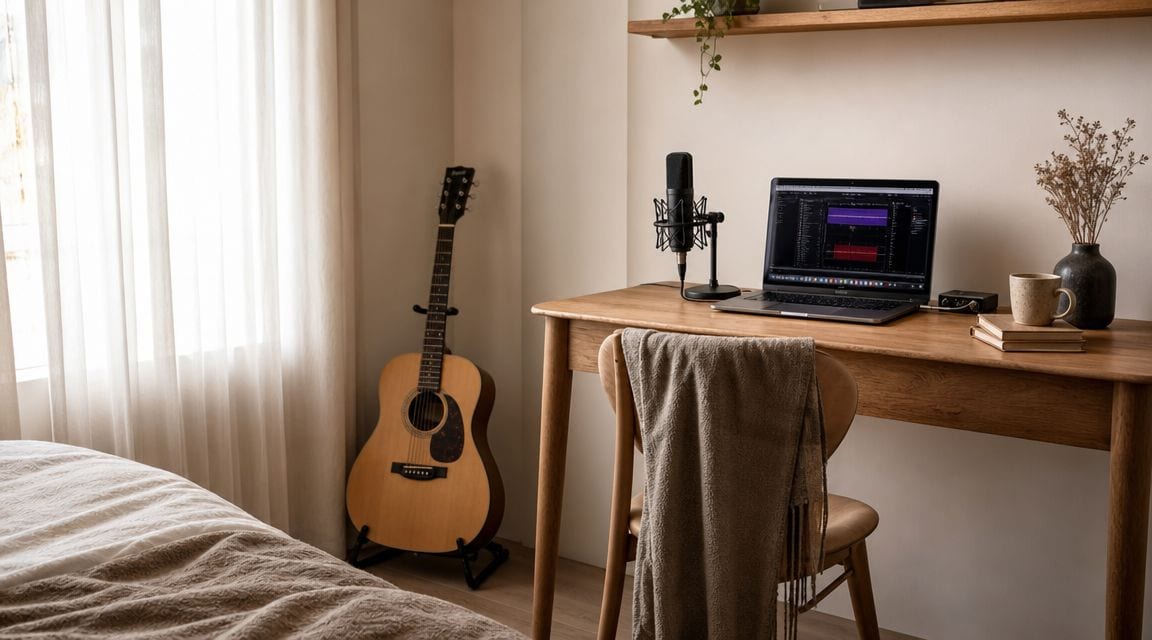
#IndieMusic is part Community tag, part Niche tag. It tells people you operate outside the traditional label machine, but it also signals a certain audience expectation. DIY process, self-funded releases, home recording, direct fan connection.
That's why this hashtag tends to work better on content that feels personal or process-driven. Songwriting drafts, rough mix previews, packing merch orders, tour diary clips, or a producer building a track in a home studio all fit the culture around the tag.
Use it to signal identity
Don't treat #IndieMusic as a substitute for genre. It's an identity layer, not a full targeting system. A folk artist, alt-pop duo, and lo-fi producer can all use it, but each still needs supporting tags that describe the sound and format.
A strong combo often includes one identity tag, one format tag, and one audience tag. Posts that show how the music gets made usually perform better in this lane than polished promo graphics because indie audiences often respond to the work behind the work.
Indie audiences usually want proximity, not polish. Give them context they can connect to.
A practical example: a singer-songwriter self-releasing through DistroKid can post a voice memo snippet, a lyric notebook shot, and a final chorus clip over several days, all using #IndieMusic with tighter supporting tags. That keeps the theme consistent without repeating the exact same post style.
Engagement matters more here than reach-chasing. Comment on other indie artists' posts, reply like a peer, and build recognition over time. If your feed only broadcasts and never participates, #IndieMusic won't do much for you. Community tags expose the difference quickly.
3. #MusicProducer
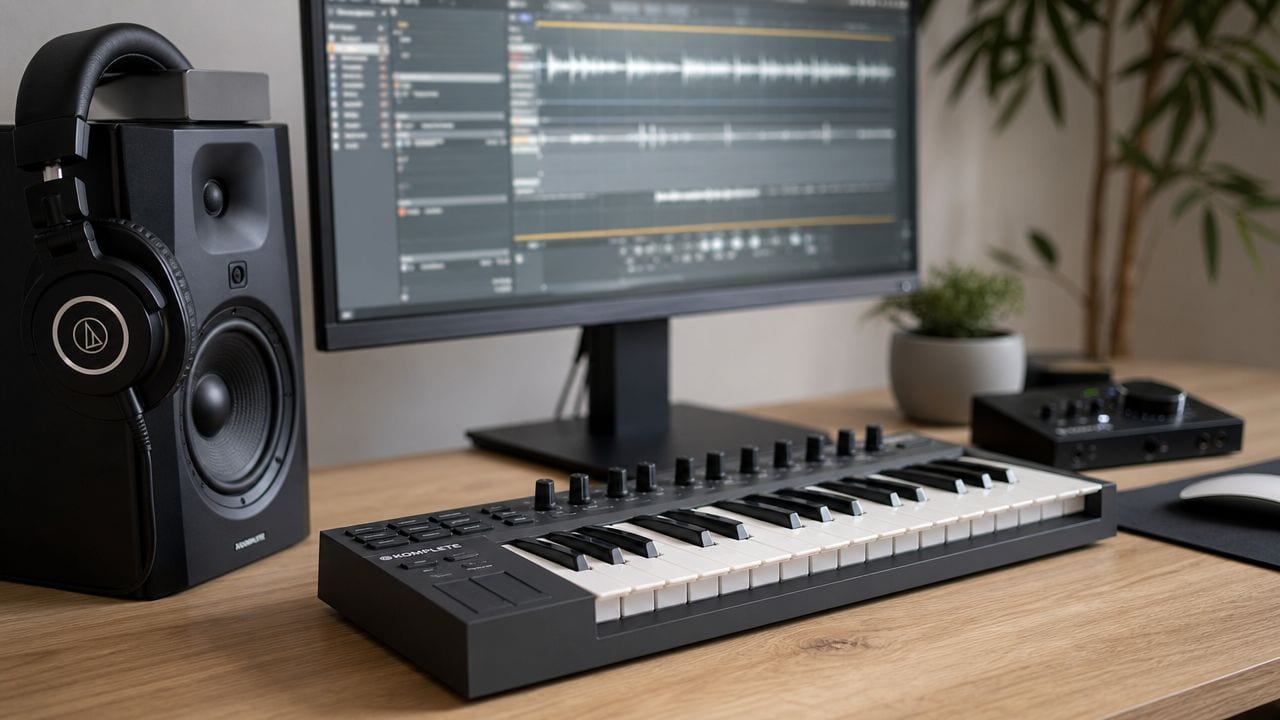
#MusicProducer works best when the post shows your role clearly. That means beat construction, arrangement decisions, plugin choices, vocal comping, sound design, mix revisions, or artist collaboration. A finished song snippet can work, but the hashtag gets stronger when viewers can see your contribution.
Many producers miss the point here. They post like artists when they should post like makers.
Show work, don't just announce work
Producer content gets traction when it teaches, reveals, or proves skill. A beat breakdown on YouTube Shorts, a before-and-after mix on Instagram Reels, or a TikTok showing how one sample became the final hook gives the hashtag something to attach to.
Keep your visuals consistent so people recognize your content before they read the caption. If you're posting often, using tools like a brand kit inside your editing workflow can help keep covers, lower thirds, and clip styling aligned across platforms.
A useful stack here is role plus genre plus function. #MusicProducer alongside tags tied to trap beats, lo-fi production, vocal production, or production tips usually beats a generic producer-only cluster.
- For collaboration posts: Show the artist, the session, or the final result.
- For authority posts: Explain one decision clearly, such as why you cut low mids or layered a snare.
- For portfolio posts: Lead with the strongest five seconds, not the studio aesthetic.
A practical scenario: an engineer who posts “new session tonight” with a desk photo gets weak discovery. The same engineer posting a quick vocal chain walkthrough with #MusicProducer gives artists and other producers a reason to stop, save, and message.
4. #NewMusicRelease
#NewMusicRelease is a timing tag. It has one job. Capture launch attention when something is actually new.
That sounds obvious, but a lot of artists misuse it by attaching it to old content weeks later with no fresh angle. Once the release moment has passed, the hashtag needs a reason to stay in rotation. A live version, acoustic rewrite, lyric breakdown, fan reaction, or making-of clip can extend the life of the release without pretending the track just dropped.
Treat it like a launch tag
Build a content sequence around the release instead of posting one announcement and disappearing. One reel can tease the hook. Another can show the cover art reveal. Another can run on release day with a direct listening prompt. Follow-ups can feature lyrics, comments, or studio footage.
If you want to organize that rollout, a scheduler helps keep the release week from becoming chaotic. The same applies if you're posting across TikTok, Instagram, and YouTube Shorts and don't want every platform to get the same caption at the same time.
The hashtag doesn't create momentum. It catches momentum you've already planned.
A real example: a pop artist dropping a single on Friday can use #NewMusicRelease on release-day content, then keep supporting posts alive by changing the angle. A label can do the same across artist intros, clip edits, and behind-the-scenes posts from the same campaign.
What doesn't work is pairing this tag with a static “stream now” image and no compelling audio moment. New release content needs motion, sound, and a reason to click today. If the post feels late, the hashtag feels late too.
5. #MusicProduction
#MusicProduction can pull the right audience fast, but only if the post proves you know what you're doing. This tag attracts people who care about process, sound, technique, and tools. Broad reach is possible. Competition is heavy.
That trade-off matters.
A weak post under this hashtag gets ignored because production audiences are picky. A plain DAW screenshot, a vague studio selfie, or a clip with no audible before-and-after usually dies on contact. Strong posts teach something, reveal a choice, or let people hear the difference.
Use it as a Discovery tag, then narrow the context
This is one of the better Discovery hashtags in a music hashtag set because it signals a clear topic without locking you into one role. Producers, engineers, artists who self-produce, and audio students all use it. The mistake is stopping there.
Stack it with one Community tag and one Niche tag. That gives the algorithm better context and gives viewers a better reason to care.
A simple structure works well:
- Discovery: #MusicProduction
- Community: a tag tied to the creator group or platform culture
- Niche: a tag for the exact discipline, software, or technique
For example, a mixing clip might pair #MusicProduction with a genre community tag and a niche tag around vocal mixing or mastering. A beatmaker breaking down drums might pair it with a DAW-specific tag and a beat-focused niche tag. The broad tag gets initial reach. The narrower tags filter for relevance.
Show the decision, not just the result
Educational content usually performs better here than straight promotion because the audience wants proof of skill. Show how you cleaned up muddy low end, automated tension into the pre-chorus, chose one snare over another, or stacked harmonies to widen the hook.
Keep the lesson tight. One production choice per clip is enough.
If you post faceless content, formats like screen recordings, waveform comparisons, MIDI breakdowns, and plugin chains can still work well. This guide to faceless TikTok videos for music creators has useful format ideas for turning technical material into short-form posts people watch.
A good video format for this audience is a short, tight teaching clip like this:
One more practical note. Keep your examples audible. If the point is EQ, arrangement, punch, or space, viewers need to hear it within the first few seconds. The same mindset shows up in utility content around audio handling, including topics like converting Spotify music to MP3. Clear function beats vague presentation.
A producer selling services can use #MusicProduction effectively, but the post should lead with evidence. Show the session, the fix, or the sonic improvement first. Put the pitch second. That order tends to get better watch time, more saves, and more serious inbound interest.
6. #MusicTok
#MusicTok is not just a music hashtag on TikTok. It's a culture signal. People use it for original songs, covers, challenges, reactions, tutorials, live performance clips, and trend formats built around sound.
That matters because platform behavior matters. A strategy guide notes that by 2026, Instagram Reels perform better with 3 to 8 hashtags, Instagram has said 3 to 5 relevant hashtags outperform 20 to 30 broad ones, and TikTok posts should generally use 3 to 5 hashtags. If you're still treating TikTok like a dumping ground for long hashtag strings, you're working against the platform.
Platform context matters
On TikTok, hashtags for music need to match the actual content signal. Caption, on-screen text, spoken words, and the sound itself should all line up. If the clip is a live acoustic chorus, don't tag it like it's a beat-selling post.
Short, native-feeling edits usually work better than overproduced promos. If you're camera-shy or want alternate formats, this guide to faceless TikTok videos can spark ideas for lyric clips, producer POV edits, and visualizer-based posting.
You'll also see creators pair #MusicTok with utility content around streaming and audio use, including topics like converting Spotify music to MP3, but keep your own posts centered on content people want to watch, not just technical hacks.
- Use one broad anchor: #MusicTok can serve as the broad platform tag.
- Add niche identifiers: Genre, role, or format tags sharpen the audience.
- Keep the caption readable: Don't let hashtags eat the entire post.
A singer posting twice a week with trend-chasing clips but no musical identity will blend in. A singer posting consistent hook clips, live room takes, and trend-adjacent versions of their own sound gives #MusicTok something worth amplifying.
7. #BeatMaker
#BeatMaker is a buyer-intent and peer-intent hashtag at the same time. Artists look through it for instrumentals, and other producers use it to discover style, process, and potential collaborators.
That dual use changes the content strategy. If you only post final beat snippets with no context, you're missing the producer audience. If you only post technical breakdowns, you may miss artists who just want to hear whether the beat fits their voice.
Sell the use case, not just the loop
The strongest beat-maker posts make the beat easy to imagine in a real song. Add a vocal mockup, show a rapper recording over it, or frame the post around mood, genre, or artist fit. “Dark trap beat” is generic. A beat designed for late-night melodic rap or stripped-back R&B gives people a clearer entry point.
Use supporting tags that narrow the lane. Genre-specific combinations such as trap, lo-fi, or R&B-related tags help sort the right traffic without relying on broad music tags alone.
Producers often market beats like files. Artists buy them like possibilities.
A practical scenario: someone selling through BeatStars can post a beat reveal, then follow with a breakdown of the drums, then a version with topline vocals. All three can use #BeatMaker, but each reaches a slightly different slice of the audience.
What fails here is inconsistency. If your naming, visual style, and posting cadence change every week, people won't remember your catalog. Beat selling and beat branding are closely linked, and this hashtag rewards repetition more than novelty.
8. #OriginalMusic
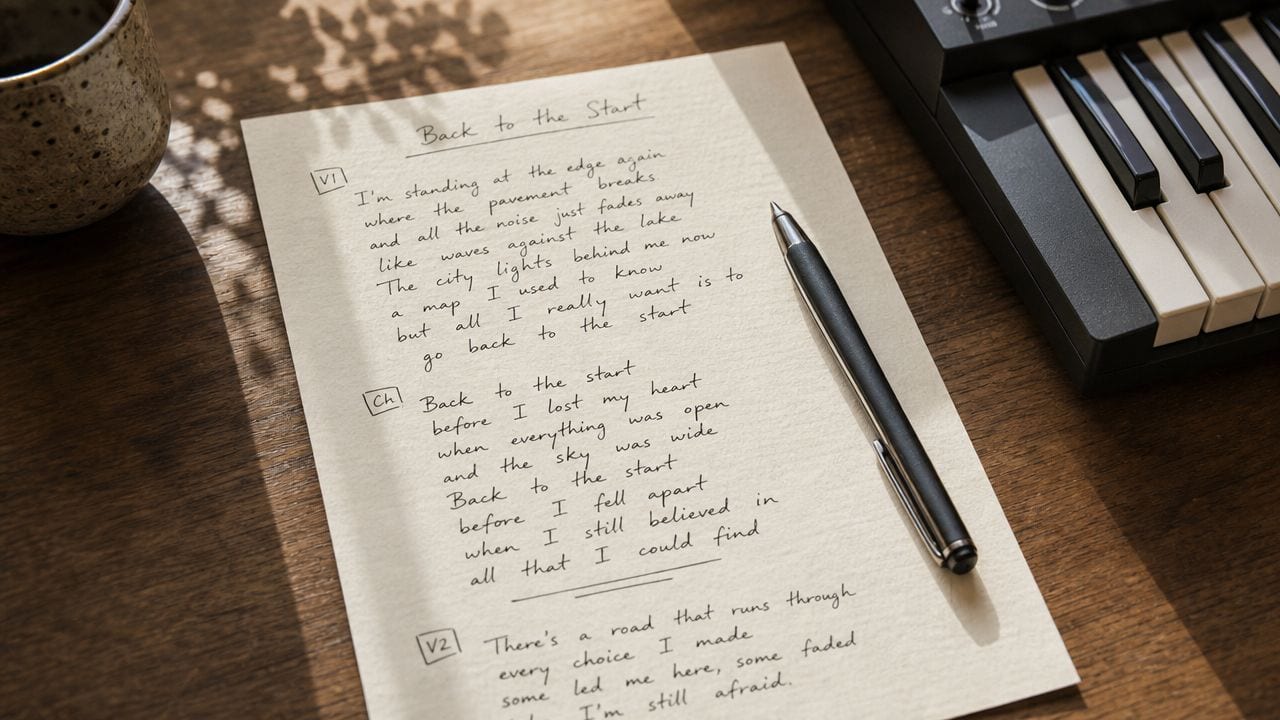
#OriginalMusic is one of the cleanest intent signals a musician can use. It tells viewers this is your writing, your composition, your release, your catalog. That matters on platforms crowded with covers, remixes, trends, and lip-sync formats.
It's especially useful for artists trying to shift audience perception from “content creator” to “recording artist.” If people have discovered you through covers, this hashtag helps mark the transition.
Use it to separate yourself from cover culture
Don't use #OriginalMusic on a polished release clip only. Use it on writing snippets, acoustic first drafts, chorus ideas, production progress, and lyric development. Those posts build ownership and narrative around the song before it's fully out.
A singer-songwriter can post a phone-recorded verse draft. A producer can share a beat built from scratch. A duo can show arrangement changes from demo to final version. All of those reinforce authorship.
A useful stack here is ownership plus genre plus moment. Pair #OriginalMusic with tags tied to your style and with supporting tags related to songwriting, sessions, or release context.
What doesn't work is using this tag while the post itself gives no proof of originality. If the audience can't tell whether they're hearing a cover, trend sound, or your own track, the tag won't carry the message for you. Make the ownership obvious in the hook, text overlay, or caption.
9. #MusicCommunity
#MusicCommunity works best as a community signal, not a distribution tool. It tells people your post is meant to start interaction, support peers, or bring others into the process. Musicians who use it well usually get fewer empty views and more useful replies.
Use it on posts with a clear reason to respond. Feedback requests, collaboration invites, duet prompts, show recaps, studio sessions with collaborators, and posts that spotlight another artist all fit. Straight promo clips usually do not.
Community tags reward visible contribution
People notice whether you participate. Reply with real answers. Credit collaborators early. Share other artists without making it about your own release every time. If your account only asks for streams, this hashtag will not fix the problem.
It also helps to build hashtag sets by function. Put #MusicCommunity in the Community layer, then pair it with Discovery tags that match the format and Niche tags that match your scene, role, or genre. On TikTok and Instagram, that stack gives the post a better chance of reaching both relevant strangers and people likely to engage.
A few practical ways to make the tag work:
- Ask specific questions: “Which hook should I finish first?” gets better responses than “Thoughts?”
- Show the other person: Featured artists, co-writers, engineers, and session players make the community angle believable.
- Tie it to a real scene: Local venues, collectives, subgenres, and city-based music circles often outperform broad music tags on these posts.
A producer posting “looking for singers” can get strong replies if the clip includes the beat, the vocal range needed, and the reference mood. A plain “DM me” graphic rarely gives anyone enough reason to act.
The trade-off is simple. Community tags usually bring lower raw reach than broad discovery tags, but the engagement quality is better. For independent artists, that often matters more. A smaller number of replies from the right musicians can lead to collaborations, reposts, and repeat supporters.
10. #MusicMarketing
#MusicMarketing filters for a different audience. It pulls in artists who care about growth mechanics, managers planning release cycles, and consultants sharing what actually worked.
Use it only when the post has strategic value. Campaign breakdowns, audience tests, rollout timelines, pricing experiments, creative lessons, and post-release reviews fit. A performance clip with no context usually does not.
That narrower intent is the point. Broad music hashtags chase attention. #MusicMarketing helps the right people find process, not just product.
The best posts under this tag answer practical questions:
What changed in the campaign?
Why did it change?
What should another artist copy, avoid, or test next?
Specificity matters here. If a musician says, “shorter clips held attention better than full-verse previews,” that gives other artists something to test. If a manager shows how they staggered teaser posts, pre-save content, and release-day assets across TikTok and Instagram, the tag starts working as intended.
This tag also fits the framework behind this guide. Put #MusicMarketing in the Niche layer when the content is about release strategy or audience growth. Then stack it with Discovery tags that match the format, plus Community tags if the post invites discussion from other artists or industry operators. That structure is stronger than dumping it into every upload and hoping it adds reach.
A useful example: a producer can post two versions of the same beat teaser and explain which hook framing drove more saves. An indie artist can show how a tighter hashtag set brought better comments, even if total views stayed lower. A small team can share a one-week rollout recap with the creative, the offer, and the result.
The trade-off is clear. #MusicMarketing will not bring the same volume as broad discovery tags. It can bring better-fit attention from people who care about release execution, content systems, and audience building.
Poor posts stand out fast in this feed. Generic advice, recycled buzzwords, and vague “stay consistent” captions get ignored because this audience has heard all of it before. Show the asset, explain the choice, and tie the takeaway to a real campaign.
Top 10 Music Hashtags Comparison
| Hashtag | Implementation complexity | Resource requirements | Expected outcomes | Ideal use cases | Key advantages |
|---|---|---|---|---|---|
| #MusicPromotion | Low–Moderate (consistent posting, hashtag mix) | Low (regular posts, basic assets, scheduling) | Broad visibility; organic discovery but competitive | General release promotion across platforms | Wide reach; attracts listeners and industry pros |
| #IndieMusic | Moderate (community building, authentic content) | Medium (quality content, engagement) | Strong, targeted engagement from indie fans | DIY artist growth, curator discovery, authentic storytelling | Supportive community; less saturated than generic tags |
| #MusicProducer | Moderate (requires technical demos and credibility) | Medium (studio clips, tutorials, portfolio) | High-quality leads and collaboration opportunities | Producers seeking clients, showcasing skills, educational content | Targets collaborators and serious hobbyists |
| #NewMusicRelease | High (timed, coordinated campaign) | Medium–High (assets, scheduling, multi-piece content) | Surge in streams/visibility during release window | Album/single/EP launch and coordinated release weeks | Urgency-driven reach; audience actively seeking new music |
| #MusicProduction | Moderate (tutorials and technical content) | Medium (course/material creation, editing) | Authority building; attracts learners and students | DAW tutorials, mixing/mastering guides, educator content | Large audience interested in learning and improvement |
| #MusicTok | Moderate (trend-aware, frequent posting) | Medium (short-form clips, trend monitoring) | High viral potential and rapid exposure on TikTok | Trend-driven challenges, Gen Z engagement, viral clips | Strong algorithmic boost and high engagement potential |
| #BeatMaker | Moderate (consistent portfolio and showcases) | Medium (beat catalog, marketplaces, promo) | Direct monetization: beat sales, licensing, collaborations | Selling beats, instrumental portfolios, producer services | Clear monetization paths; targets artists seeking instrumentals |
| #OriginalMusic | Moderate (requires consistent original output) | Medium (songwriting, recording, promotion) | Brand building and loyal fanbase growth | Singer-songwriters, original releases, creative storytelling | Signals authenticity; favorable platform treatment for originals |
| #MusicCommunity | Moderate (active engagement and reciprocity) | Low–Medium (time for community management) | Strong collaborations, networking, and mentorship opportunities | Networking, collaborative projects, feedback and support | Fosters relationships, collaboration, and long-term support |
| #MusicMarketing | High (strategic planning and thought leadership) | Medium–High (research, content planning, analytics) | Authority and business leads; client acquisition | Agencies, consultants, music-business education and case studies | Positions creators/agencies as industry experts and consultants |
From Hashtags to Momentum Your Next Steps
Hashtags for music still matter. Just not in the lazy way most artists use them. The winning approach isn't “find the biggest tags” or “paste the same set under every post.” It's matching each tag to a function, then matching that function to the content in front of it.
That's the core of the 3-layer system. Use Discovery tags to place your content in larger interest streams. Use Niche tags to narrow the audience by genre, role, format, or scene. Use Community tags to create interaction with people who might follow, collaborate, and return. When those layers line up, your posts get clearer and your testing gets easier.
There's also a practical limit to how much manual hashtag work most musicians can sustain. If you're releasing music, editing clips, answering comments, and managing multiple platforms, building fresh hashtag sets every time gets old fast. That's where systems matter. A simple workflow for naming content pillars, rotating hashtag groups, and reviewing what each post was trying to do will take you further than chasing random trending tags.
Platform context matters too. Instagram and TikTok don't interpret hashtags the same way, and your posts shouldn't look identical on both. One practical way to handle that is to create separate sets for release content, process content, education content, and community content. That gives you structure without turning your feed into copy-paste marketing.
If your team is trying to connect this work to a bigger publishing process, the same operational thinking behind social media data pipeline automation applies here as well. The more repeatable your tagging, scheduling, and performance review become, the less guesswork you carry into the next campaign.
quso.ai is one option that fits naturally into this workflow because it includes hashtag generation, content planning, editing, repurposing, and scheduling in one system. That won't replace judgment. It will reduce repetitive work, which is usually where artists lose consistency.
Start simple. Pick three content types you already post. Build one hashtag stack for each using Discovery, Niche, and Community logic. Cut anything vague. Keep anything that matches the clip exactly. Then post, review, and refine. That's how hashtags stop being decoration and start becoming infrastructure.
If you want to build hashtag sets faster and turn one music video, studio session, or tutorial into multiple platform-ready posts, try quso.ai. It can help you generate hashtags, repurpose long-form content into short clips, and keep your publishing workflow organized without juggling a pile of separate tools.