Best Times to Post on Pinterest in 2026: Optimize Your
Pinterest timing matters because distribution on the platform is not purely chronological. A pin can keep picking up saves, clicks, and search visibility well after publish, which means timing works best as a compounding advantage rather than a one-hour trick.
The mistake is treating "best time to post on Pinterest" like a single universal answer. It is a testing question tied to your goal, your format, and your audience behavior. A creator pushing recipe roundups, a home decor brand promoting seasonal collections, and a B2B consultant publishing lead magnets should not run the same posting schedule.
That is the lens for this guide. It focuses on eight distinct posting windows to test based on what you want the pin to do, what type of asset you are publishing, and how your niche uses Pinterest.
Execution matters as much as timing. If you want clean test data across those windows, set up your workflow first with a properly connected Pinterest account in Quso, then track saves, outbound clicks, and delayed engagement by slot. That is how you separate a useful pattern from a lucky post.
Use these windows as a starting framework. Keep the winners, cut the weak slots, and build a schedule around the traffic patterns your account earns instead of generic advice.
Table of Contents
1. Weekday Midday Post
Midday is one of the cleaner Pinterest test windows because intent shifts. Users are not only collecting inspiration. Many are comparing options, saving resources for later, or clicking into content they plan to use after work.
For creators and marketers who want traffic, leads, or qualified saves, Tuesday through Thursday from 12 to 3 PM EST is a strong window to test first. I use this slot for pins that need a second look, especially lead magnets, webinar registrations, course previews, service pages, and practical product use cases.

Why midday can work better than early posting
Early slots often favor quick scrolling behavior. Midday can give educational and conversion-focused pins more room because the user is already in planning mode. That trade-off matters. A beautiful image may win at night, but a clear promise and useful headline often perform better at lunch.
This window fits pins that answer a practical question fast. An online educator can publish a lunchtime pin for a mini-course with a specific outcome in the title. A consultant can run a productivity pin that clicks through to a discovery call page. A product-based brand can test utility-led creative tied to a weekly offer or seasonal use case.
Posting cadence also matters more than any single time block. Midday works best as one lane in a wider schedule, especially if you are testing for different goals across the week instead of forcing every pin into the same publishing hour.
Use a scheduler so the slot stays consistent during busy client weeks. If you're setting up automation, connect your Pinterest account in quso.ai first, then queue multiple versions of the same offer with different headlines, cover text, and images.
Practical rule: Use midday for pins that ask for a click, a save with intent, or a closer read.
Start with these tests:
- Coaching offer pins: Compare pain-point-led titles on Tuesday against outcome-led titles on Thursday.
- Course preview pins: Test short overlay text versus a more specific educational hook.
- Product feature pins: Lead with the use case first. Brand-first copy usually loses attention faster on Pinterest.
- Service explainer pins: Send one version to a booking page and another to a value-packed blog post, then compare outbound clicks and saves.
If your audience is made up of professionals, midday is often less about peak reach and more about better-fit traffic. That makes it one of the most useful windows in this guide for B2B creators, educators, consultants, and brands that sell considered purchases.
2. Evening Primetime Posts
Evening is when Pinterest starts acting like a dream board again. Users are off the clock, browsing with more patience, and thinking about future purchases, personal projects, home updates, travel plans, and style ideas.
If your content is aspirational, visual, or lifestyle-heavy, 7 to 11 PM EST is one of the first windows I'd test. Interior design brands, beauty creators, wedding vendors, travel marketers, and home organizers often fit this lane better than strict how-to educators do.
What belongs in the evening slot
Evening content should look polished and feel easy to imagine in real life. A home decor brand can publish a room refresh pin at night because users are in browse-and-save mode. A fashion creator can post outfit combinations that support later shopping decisions. A travel creator can run destination idea pins that people save for future planning.
This isn't the right slot for dense, text-heavy graphics. It is a strong slot for:
- Aspirational visuals: Mood boards, styled spaces, capsule wardrobes, destination imagery.
- Product-led creatives: Pins with direct shopping intent, especially when the image does most of the work.
- Emotion-driven copy: Headlines that tap into identity, lifestyle, or future plans instead of pure instruction.
One common mistake is posting your most promotional pin at night with no visual payoff. If the pin feels like an ad first, saves often suffer. Build the creative around the outcome people want, then let the product or offer support that story.
Evening Pinterest users often save first and act later. Write descriptions for delayed intent, not just instant clicks.
This window also helps when your brand sells something people buy in a more reflective mode. Think decor, gifts, beauty, event planning, or premium digital products. If you're testing best times to post on Pinterest for conversion, don't judge evening posts too quickly. They may plant the idea that turns into a later search, click, or save.
3. Weekend Morning Posts
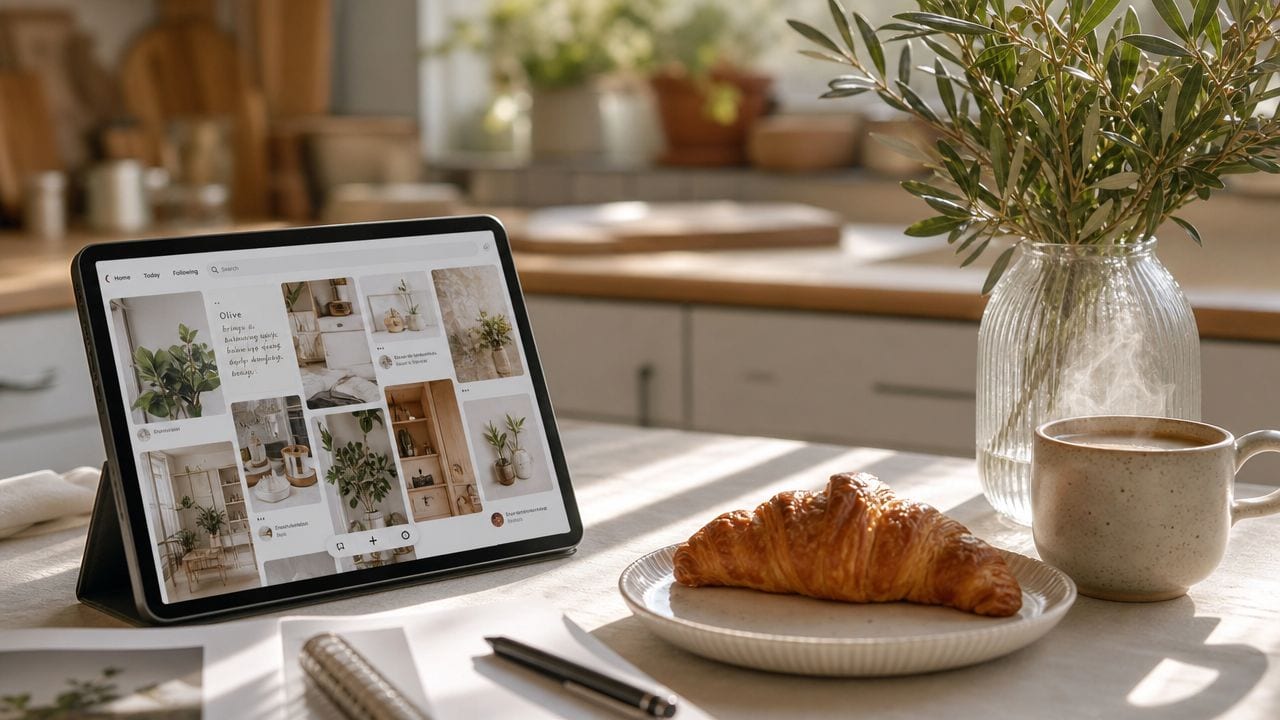
Weekend mornings are one of the cleanest fits for planning content. People have more space, fewer meetings, and a stronger willingness to save tutorials, recipes, renovation ideas, or project checklists they'll use later that day.
Saturday and Sunday from 8 AM to 12 PM EST are strong testing hours for creators in food, DIY, crafts, home, gardening, organization, and family planning content. If your pin helps someone do something over the weekend, this is a natural match.
The content angle that fits weekend behavior
The best weekend pins usually solve a near-term problem. Recipe creators can post breakfast boards, meal prep ideas, or grocery-friendly meal plans. DIY educators can post project walkthroughs that feel doable in one sitting. Home brands can publish before-and-after visuals linked to tutorials or product collections.
This is also where batching pays off. If you know weekends matter for your niche, don't create those pins on Saturday morning. Build the assets during the week and preload them in a scheduler. For broader workflow ideas, these Pinterest management tips from quso.ai are useful for setting up a repeatable process.
What usually works in this slot:
- How-to framing: "Easy," "weekend," "step-by-step," and "starter" angles fit the mindset.
- Save-first assets: Checklists, tutorial graphics, and project plans are often stronger than hard-sell promotions.
- Practical descriptions: Add enough context so the user knows whether this is a quick win or a bigger project.
A Sunday morning renovation pin, for example, can outperform a polished brand ad if the tutorial is concrete and visually clear. Weekend users often want action they can take now.
4. Niche-Specific Timing for B2B and Professional Services
B2B on Pinterest isn't dead. It just needs different timing and different packaging.
Professional services content usually performs better when it meets users in a planning or research mindset. For many brands, Monday around 10 AM EST and Thursday around 2 PM EST are useful windows to test because they line up with workweek organization and late-week evaluation habits. A business coach can post a Monday planning template. A consultant can publish a Thursday framework pin that points to a lead magnet. A SaaS team can test educational comparison creatives rather than product screenshots.
What works for professional buyers
Professional audiences don't use Pinterest like they use LinkedIn. They aren't there for corporate updates. They're there to collect ideas, systems, templates, and frameworks they can apply later. That's why B2B pins need utility up front.
Good examples include:
- Consulting services: Frameworks, audit checklists, maturity models, process maps.
- Executive coaches: Goal-setting visuals, team workflow boards, planning templates.
- Educators and trainers: Lesson previews, workshop graphics, downloadable resources.
The trade-off is simple. If you make your B2B pin look too formal, it disappears. If you make it too fluffy, it gets saved without attracting qualified clicks. The middle ground is a useful, visually clean pin with one clear outcome.
A consultant promoting a case-study-style article should avoid jargon-heavy titles. "How to reduce onboarding friction" will usually fit Pinterest behavior better than "enterprise enablement optimization framework." Same expertise, better packaging.
5. Seasonal and Holiday-Specific Timing
Pinterest users plan earlier than many marketers expect. That gap creates one of the clearest timing advantages on the platform.
For seasonal campaigns, a strong starting point is publishing 3 to 4 weeks before the event, sale period, or seasonal shift you want to capture. That window gives your pins time to get indexed, saved, and redistributed while people are still researching ideas. It matters for gift guides, holiday decor, back-to-school content, wedding planning, seasonal menus, and limited-run product collections.
Timing should match the buying cycle, not the calendar date alone. A Christmas gift guide can go live well before December. A spring wardrobe pin should appear while shoppers are still building wish lists, not after they have already purchased. Service businesses can use the same pattern. Tax preparers, photographers, event planners, and coaches all benefit from publishing before urgency peaks.
How to build a seasonal runway
The best seasonal schedules usually run in three phases.
- Inspiration: Broad idea pins, trend boards, style direction, mood-based creative
- Decision support: Gift guides, comparison pins, checklists, curated collections, planning tips
- Conversion: Product pins, offer-led creatives, deadline messaging, shipping cutoff reminders
That sequence matters because different seasonal pins do different jobs. Early content gets saves. Mid-cycle content gets clicks from people comparing options. Late content gets action if the offer, timing, and creative are specific enough.
Pinterest performance also has a longer shelf life than many social posts, so judging a seasonal pin too fast leads to bad decisions. Give each timing window enough room to perform, then review Pinterest Analytics over a few weeks and compare saves, outbound clicks, and conversion-assisted traffic patterns before changing the schedule. As noted earlier, testing works better than chasing a single perfect posting day.
One trade-off shows up every year. Brands that publish too early can get impressions without purchase intent. Brands that publish too late miss the planning phase entirely. The practical fix is staggered timing. Start with lighter, idea-led creative, then tighten the offer as the event gets closer.
For style and ecommerce teams, seasonal timing also affects production workflow. If you need faster concept development for trend-led campaigns, this guide to artificial intelligence tools for fashion can help speed up creative planning without defaulting to repetitive seasonal visuals.
6. Late Night Early Morning Posts for Global Reach
If your audience sits across North America, Europe, and APAC, posting by one U.S. clock is sloppy strategy. That's where late-night and early-morning scheduling becomes useful, especially from 11 PM to 7 AM EST.
This isn't about chasing odd hours for the sake of it. It's about matching regional mornings and routine planning windows in the places you serve. A U.S.-based ecommerce brand with strong U.K. traffic may need a different publish pattern than a creator whose saves mostly come from North America.
Time zone strategy matters more than one fixed clock
One of the biggest gaps in Pinterest advice is time zone normalization. Many guides list the best times to post on Pinterest in one zone, often EST, but they don't explain how to translate that for international audiences. That matters because broad recommendations conflict by source and day, and audience geography likely explains part of that variation (CoSchedule on Pinterest time zone gaps).
Here's the practical way to handle it:
- Segment by audience region: Build separate publishing groups for North America, Europe, and APAC if your analytics justify it.
- Normalize to local mornings: Treat morning planning behavior as the baseline, then publish in each audience's local window rather than your own office time.
- Use separate creative if needed: Product framing, language, seasonality, and even imagery may need to shift by region.
A real-world example: a global home brand might schedule one pin for U.S. evening browsers and another version for European morning planners. Same campaign. Different release logic.
Late-night scheduling fails when marketers assume one account needs one schedule. International reach almost always needs more than that.
7. Video Content Timing
Video shouldn't automatically inherit your static pin schedule. Pinterest behavior changes by format, and that's one reason many video tests underperform. Marketers publish a solid video asset at the same time as every other pin, then conclude video isn't working.
A better move is to test Wednesday and Thursday evenings, especially 6 to 9 PM EST, as a dedicated video slot. That's directionally aligned with newer guidance that says Pinterest video posts perform best from 7 PM to 9 PM, while general posts often peak in afternoon, evening, and weekend blocks (Outfy on Pinterest video timing).
Use a separate test track for video pins
Video works best when the first frame sells the idea immediately. Tutorial creators, coaches, and repurposing-heavy brands have a lot to gain here. A YouTuber can turn a long tutorial into a short Pinterest video teaser. A podcaster can repurpose a visual quote clip. A real estate brand can publish fast room-by-room walk-throughs.
What tends to work:
- Demonstration-led clips: Before-and-after transitions, mini tutorials, quick visual explanations.
- Strong on-screen text: Many users view content without audio, so the message must be clear even without sound.
- Clear destination: Decide whether the video aims for saves, site clicks, or broader top-of-funnel interest.
Use a separate scorecard for video. Compare video pins against other video pins first, not against every static creative on the account.
If your team already creates long-form content, Pinterest video is often a repurposing problem, not a production problem. Cut the idea down, tighten the hook, and schedule it when viewers are more willing to watch instead of skim.
8. Flash Sale and Time-Sensitive Content Timing
Urgent content needs its own rhythm. A flash sale, open house, limited enrollment push, or last-chance bonus shouldn't follow the same timing pattern as evergreen inspiration.
Friday from 5 to 7 PM EST is a strong test window for the initial push, especially for ecommerce, local events, digital products, and services with weekend buying behavior. Then follow with a weekend reminder post while the offer is still relevant. The first pin creates awareness. The second catches the people who meant to act but didn't.
How to sequence urgency without overposting
A good urgency sequence looks coordinated, not frantic. For example, an ecommerce store can publish a Friday evening sale graphic, then run a Saturday morning reminder with a different visual. A real estate team can publish an open-house pin on Friday evening and a cleaner reminder pin on Saturday. A course creator can lead with the bonus offer first, then follow with a deadline-focused reminder.
What doesn't work is spamming the same pin three times with the same headline. Change the angle.
- First pin: Lead with the offer.
- Second pin: Lead with the use case or best-fit buyer.
- Third pin: Lead with the deadline, if the campaign still needs it.
If you want the sequence handled automatically, this roundup of social media post schedulers from quso.ai is relevant for planning multi-post campaigns without manual posting.
8-Point Comparison: Best Times to Post on Pinterest
| Timing / Strategy | Implementation complexity | Resource requirements | Expected outcomes | Ideal use cases | Key advantages |
|---|---|---|---|---|---|
| Weekday Midday Post (Tue–Thu, 12–3 PM EST) | Medium, needs consistent scheduling and A/B testing | Moderate, regular posting (3–5/week), scheduler, analytics | Higher CTR and engagement, more saves/shares, good for time-sensitive launches | Coaches, e‑commerce (home/beauty), educators, service businesses | Captures work‑day breaks with consistent US reach and higher CTR |
| Evening Primetime Posts (7–11 PM EST) | Medium, requires strong visual assets and timing | Moderate, 2–3 posts/week, high‑quality imagery | High saves and inspiration‑driven engagement; extended visibility | Fashion, beauty, home decor, real estate, visual e‑commerce | Excellent for aspirational, mobile-first browsing and high save rates |
| Weekend Morning Posts (Sat–Sun, 8 AM–12 PM EST) | Low–Medium, batch scheduling works well | Low–Moderate, batch content, automation for weekend | Good planning engagement and saves; strong for DIY/recipes | Food creators, DIY/crafting, home improvement, event planners | Reaches users with leisure time searching and planning weekend projects |
| Niche Timing: B2B / Professional (Mon 10 AM, Thu 2 PM EST) | Medium–High, precise targeting and tailored messaging | Moderate, professional creatives, lead magnets, segmented analytics | Fewer impressions but higher‑quality leads and conversions | Business coaches, consultants, B2B SaaS, agencies | Aligns with business planning cycles and decision‑making windows |
| Seasonal & Holiday Timing (3–4 weeks pre-event) | High, requires long lead planning and calendar management | High, content calendar, multiple variations, keyword prep | Increased search volume, strong seasonal conversions, prolonged visibility | Retail, fashion, event planners, food/recipe creators, home decor | Captures advance planning intent and sustains visibility through season |
| Late Night / Early Morning (11 PM–7 AM EST for global reach) | Medium, needs timezone strategy and audience insight | Moderate, multilingual copy, scheduled posts, analytics | Better reach in international markets; extended 24‑hour visibility | Global e‑commerce, international coaching, multinational brands | Covers multiple time zones with reduced competition in some regions |
| Video Content Timing (Wed–Thu, 6–9 PM EST) | High, higher production and optimization needs | High, video creation, editing, subtitles, strong thumbnails | Higher engagement and session time; greater viral potential | YouTubers, educators, tutorial creators, coaches, podcasters | Algorithm favors video; drives deeper engagement and shares |
| Flash Sale & Time‑Sensitive (Fri 5–7 PM + weekend reminders) | High, precise multi‑post sequencing and timing | Moderate–High, countdown creatives, sequenced scheduling, tracking | High conversion potential and urgency‑driven purchases | E‑commerce, digital products, real estate open houses, event ticketing | Two‑touch approach improves conversions and sustains urgency through weekend |
Your Action Plan From Insights to Scheduled Pins
Pinterest timing only matters if you turn it into a repeatable test plan. The goal is not to post more often. The goal is to find which of these eight windows produces the right outcome for your account, whether that is saves, clicks, leads, or sales.
Start narrow. Pick two or three posting windows based on your business goal and content mix, then test them against a clear KPI. A home decor brand might start with evening primetime and weekend mornings because both align with planning behavior. A consultant or service business should usually test weekday midday against a professional workweek slot, because the audience is often browsing during breaks or between meetings. If you serve more than one region, build separate schedules by time zone instead of forcing every pin into one U.S. calendar.
Keep the test clean. Do not throw standard pins, video pins, seasonal content, and flash-sale creatives into the same batch and expect clear answers. Segment by format and intent so you can see what is working. On Pinterest, a video pin posted on Wednesday evening is competing under different conditions than a static product pin posted on Saturday morning.
Give each test enough time to mature.
Pinterest behaves more like search than social feed content, so performance often builds over days or weeks, not hours. A practical testing cycle is 2 to 4 weeks per timing group. Track four variables in a simple sheet or dashboard: posting window, pin format, creative theme, and objective. Then review performance by saves, outbound clicks, and downstream conversions, not just impressions.
That is where stronger scheduling habits pay off. If one slot drives saves but weak clicks, keep it for awareness content. If another slot drives fewer saves but more product-page visits, reserve it for bottom-funnel pins. This is the trade-off many teams miss. High engagement and high conversion do not always happen in the same window.
Regional scheduling needs its own rules. Use local morning or evening behavior as the baseline for each audience segment. If half your traffic comes from the U.K. and half from North America, one posting schedule will underperform for one of those groups. Split the calendar and measure each region separately.
If you want less manual work, quso.ai supports Pinterest scheduling and analytics tracking for scheduled posts. That makes it easier to compare time slots, review results, and adjust the calendar based on actual performance.
The Pinterest accounts that grow consistently usually follow a simple system. Test a few high-fit windows, separate formats by goal, review results on a fixed cadence, and keep the slots that produce business outcomes.